


Walk up to any golf betting board and you will find far more than just picking a tournament winner. The range of markets available on professional golf rivals what you see in football or basketball, with options that let you bet on everything from four-day outcomes to individual hole results. Most casual bettors stick to outrights because that is what they know, but understanding the full menu opens up betting opportunities that better match your analysis and risk tolerance.
Golf’s structure creates natural breakpoints for different bet types. Four rounds across four days, 120-plus player fields, cuts that eliminate half the competitors midway through, and individual head-to-head dynamics all generate markets that do not exist in team sports. Some bets offer huge payouts with low hit rates. Others provide more consistent returns with smaller rewards. The key is matching bet type to your conviction level and bankroll strategy rather than defaulting to outrights because they feel most familiar.
This guide covers every significant golf bet type available at modern sportsbooks. You will learn how each market works, when it makes sense to use different options, and the strategic considerations that separate successful golf bettors from those who throw money at their favorite players week after week.
Once you master the pre-tournament markets, you can explore dynamic opportunities through live golf betting during the actual rounds.
Outright Winner Bets: Wagering on the Tournament Champion
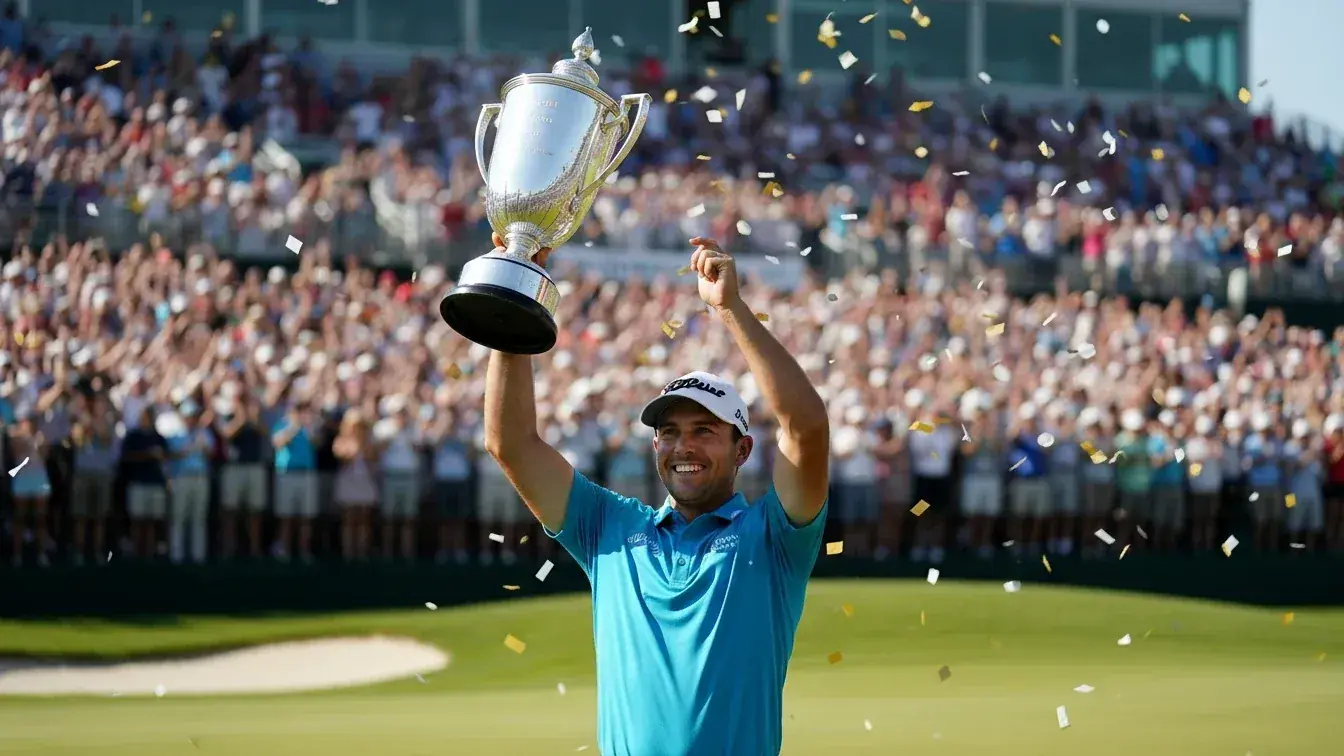
The outright or tournament winner bet is the flagship golf market and the one most bettors think of first. You pick which golfer will win the tournament, collect if he does, lose if he does not. Simple in concept, brutally difficult in practice because you need to correctly predict one winner from a field where 120 or more players all start with a theoretical chance.
Outright odds reflect this difficulty. Even the best player in the world rarely prices below plus-400, meaning a hundred dollar bet returns at least four hundred dollars profit if successful. Mid-tier contenders might sit at plus-2000 to plus-4000, and the bulk of the field stretches from plus-5000 all the way to plus-50000 for players with essentially no realistic chance.
The appeal of outright betting is the payout potential. Landing a plus-3000 winner delivers thirty-to-one on your money, turning small stakes into substantial returns. One successful outright can cover weeks or even months of losing bets, which is exactly how profitable golf bettors structure their approach. They accept that most outright bets lose while banking on occasional big scores to generate overall profit.
Playoff scenarios settle cleanly in outright markets. When two or more players tie after 72 holes and head to a sudden death playoff, your bet settles on whoever actually wins, whether that takes one extra hole or five. There is no push or dead heat reduction in outright winner betting, which simplifies things compared to placement markets.
The variance inherent in outright betting makes bankroll management critical. You might go ten or fifteen tournaments without hitting a winner even if your analysis is sound. Betting too large a percentage of your bankroll on any single outright leads to bust-out risk during these inevitable cold stretches. Most serious golf bettors keep individual outright stakes below two percent of their bankroll and spread action across multiple players rather than concentrating on one pick per week.
Each-Way Betting
Each-way betting originated in British horse racing but has become one of the most popular golf markets, especially at UK-facing sportsbooks. Understanding how it works and when it offers value requires looking past the surface appeal of insurance against near misses.
An each-way bet is actually two separate bets combined into one stake. Half your money goes on the golfer to win the tournament. The other half goes on him to place, which typically means finishing in the top five. If your player wins, both portions pay out at their respective odds. If he finishes second through fifth, you lose the win portion but collect on the place portion at reduced odds, usually one-quarter or one-fifth of the outright price.
The mechanics work like this. Say you bet twenty dollars each-way on a golfer at plus-2000. That twenty dollars becomes two ten dollar bets: ten on the win at plus-2000 and ten on top five at plus-400 or plus-500 depending on the fraction. If he wins, you collect two hundred dollars from the win bet plus forty to fifty from the place bet. If he finishes third, you lose the ten dollar win bet but collect forty to fifty from the place portion, leaving you with profit despite not picking the winner.
The catch is that your total stake doubles. That twenty dollar each-way bet costs twenty dollars, not ten. This matters for calculating whether each-way actually offers better value than betting outright and top five separately. Sometimes it does, sometimes it does not, and the difference depends on the specific odds and place fraction offered.
Calculating each-way value requires comparing the combined expected value against separate bets. If a sportsbook offers plus-2000 outright and plus-350 top five, but the each-way fraction is one-quarter meaning plus-500 for placing, the each-way place portion offers better odds than the standalone top five market. In that case, each-way makes sense. If the standalone top five pays better than the calculated each-way fraction, separate bets are superior.
Each-way becomes particularly valuable for players you believe have strong top five probability but modest win probability. A consistent ball-striker who rarely contends on Sundays but regularly posts top tens might not offer outright value at his price but could offer strong each-way value if the place odds compensate for the likely lost win portion.
Top Finish Bets
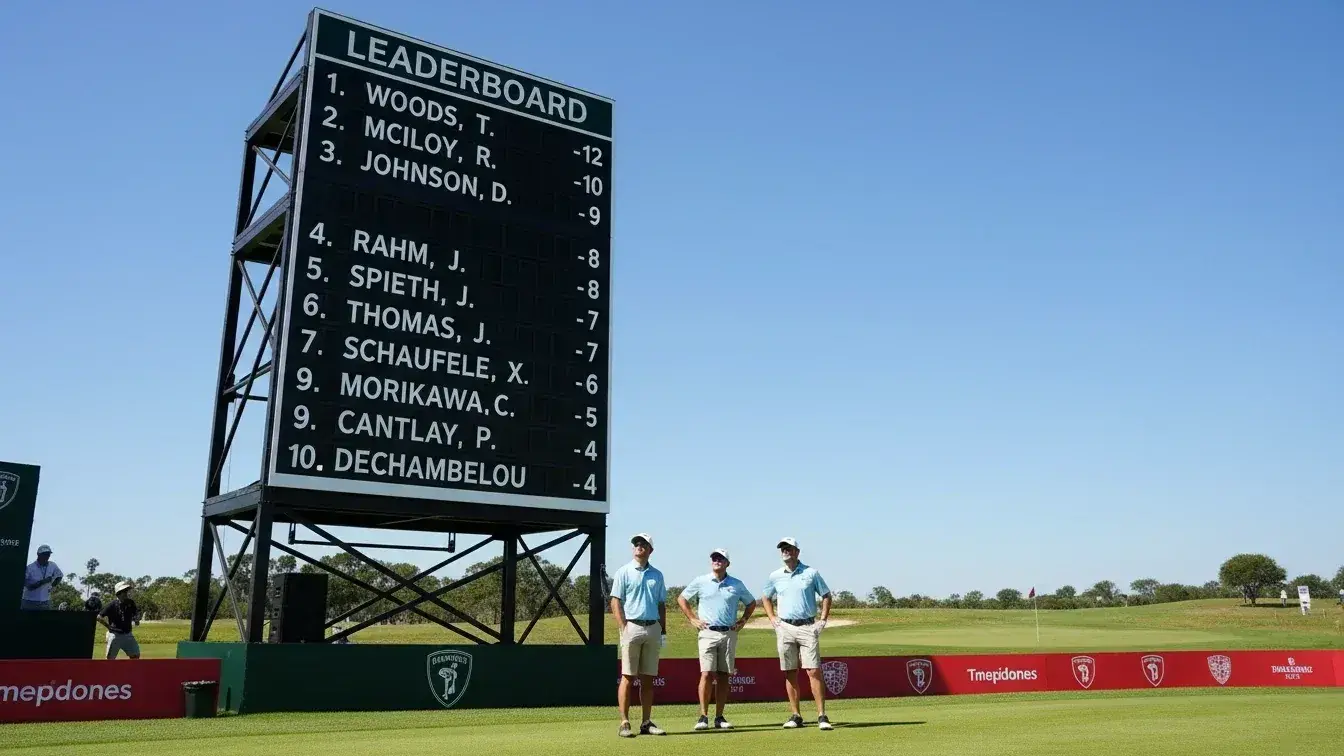
Top finish bets let you wager on a golfer finishing in the top five, top ten, top twenty, or sometimes top thirty or forty depending on the sportsbook. These markets offer lower variance than outrights by giving your player more room to succeed without needing to actually win.
Top five betting sits closest to the each-way place portion but without the attached win bet. Odds typically range from plus-150 for favorites up to plus-1000 or higher for longshots. The tighter range compared to outright odds reflects the higher probability of success when you only need a player to finish among the top five rather than beat everyone.
Top ten and top twenty markets expand the target zone further, making them accessible options for players you believe will perform well without necessarily contending for the title. A solid ball-striker in good form might offer little outright value but strong top twenty value if his odds imply lower placement probability than his recent results suggest.
Dead heat rules apply to top finish bets and significantly impact expected returns. If you bet top five and your golfer ties for fifth with two other players, all three occupy the fifth position and your payout is divided by three. This reduction can turn what looks like a winning bet into a much smaller return than anticipated. Accounting for dead heat probability, which is highest at positions like fifth, tenth, and twentieth where finishing score clusters tend to form, prevents overestimating expected value from placement markets.
Strategic use of top finish bets often involves players whose profiles suggest consistency rather than upside. A golfer who makes cuts reliably, avoids big numbers, and grinds out mid-pack finishes might not excite outright bettors but can offer genuine value in top twenty markets where the odds fail to account for his floor.
Matchup Betting
Matchup betting strips away the complexity of 120-player fields and asks a simpler question: which of these two or three players will finish higher this week? Head-to-head and three-ball markets create focused opportunities to leverage specific analysis without needing to predict outright tournament outcomes.
Head-to-head matchups pit two players against each other for the full tournament. Whoever posts the lower 72-hole total wins your bet, regardless of where either finishes on the overall leaderboard. If Player A finishes fortieth and Player B finishes fifty-second, a bet on Player A wins. If both players miss the cut, most sportsbooks settle based on 36-hole score, though rules vary so always check before betting.
Odds in head-to-head markets cluster closer to even money than outright markets because the outcome approaches fifty-fifty probability. You might see Player A at minus-120 and Player B at plus-100, indicating slight favoritism for A but nothing like the massive gaps between outright prices. This efficiency comes from the reduced outcome space, which makes matchup markets harder to beat but also lower variance.
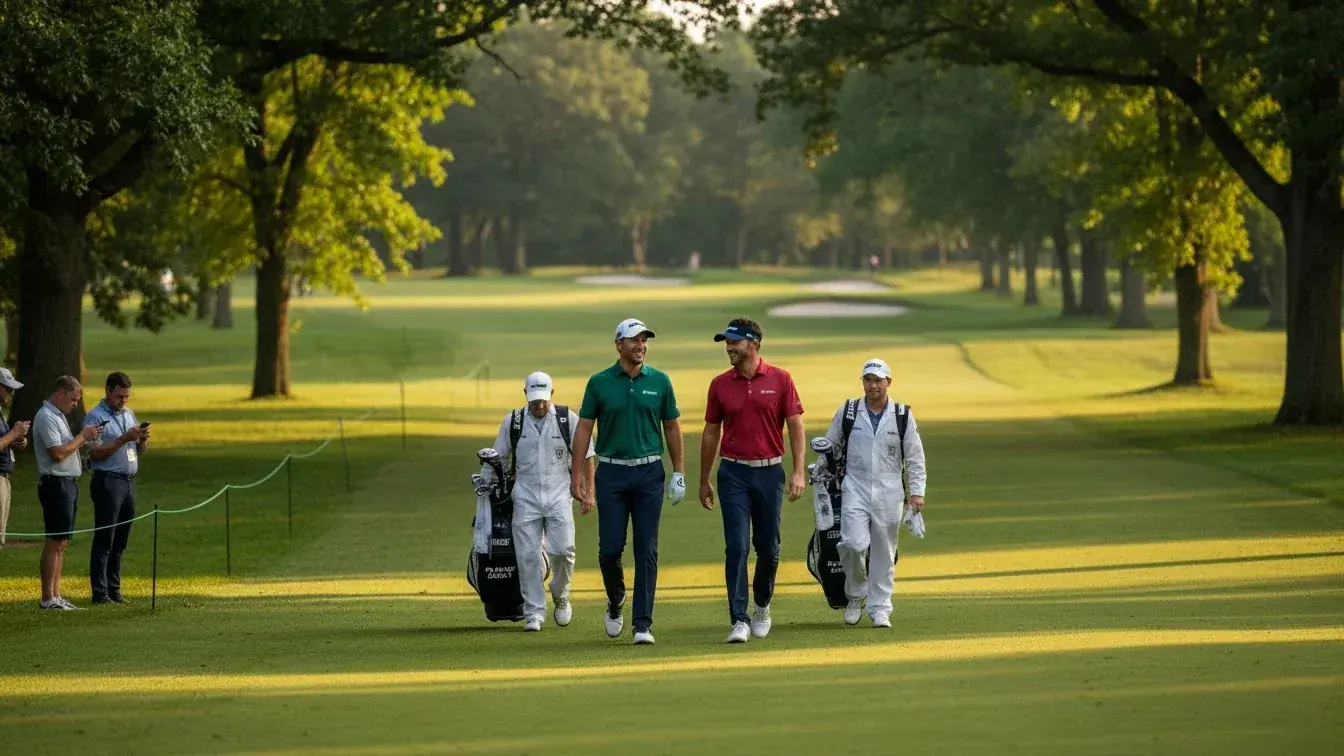
Three-ball matchups expand to include a third player, typically aligning with actual tournament groupings during the early rounds. These bets settle after the specified round rather than the full tournament, adding a time element that distinguishes them from full-event head-to-heads. If you are betting on Thursday three-ball results, you need to consider first-round-specific factors like tee times, morning versus afternoon wave conditions, and each player’s tendency to start fast or slow.
The strategic value of matchup betting lies in leveraging comparative analysis. Maybe you cannot identify the tournament winner from a 150-player field, but you feel confident that Player A is better positioned for this particular course than Player B due to driving accuracy profiles, grass type preferences, or recent form trajectories. Matchup markets let you express that opinion without needing Player A to beat everyone else.
Course fit analysis proves especially valuable for matchups. Two players might have similar world rankings and outright odds, but one might excel on tight tree-lined courses while the other thrives on wide open layouts. That distinction barely registers in outright markets but can create significant edge in head-to-head pricing if the market fails to account for venue-specific skill requirements.
Find the most reliable bookmaker reviews and daily tips on our top golf betting guide.
First Round Leader Betting
First round leader betting asks who will post the lowest score after just eighteen holes, creating a high-variance market that many sharp bettors love despite its difficulty. The appeal comes from compressed probability distributions where longshots hit far more frequently than they do in outright markets.
Posting one hot round is dramatically easier than sustaining excellence across four days. A player ranked eightieth in the world might have almost no chance to win a tournament but could easily catch fire for one morning and shoot 64 to grab the Thursday lead. This reality compresses odds compared to outrights, but not as much as probability differences would suggest, creating potential value in first round leader markets.
Tee time analysis matters enormously for first round leader bets. Morning and afternoon waves often face different scoring conditions based on weather patterns, wind changes, and how the course plays after a day of foot traffic. If weather forecasts predict calm morning conditions followed by afternoon wind, morning tee times carry significant advantages. Sharp first round leader bettors check wave assignments before pricing their picks.
The variance cuts both ways. First round leader is essentially a lottery ticket market where your player needs to catch one perfect round among 150 competitors. Hit rates are low even for well-reasoned selections, which means bankroll management must account for long losing streaks. Betting significant portions of your bankroll on first round leader plays leads to quick bust-outs regardless of analytical quality.
Strategic approaches to first round leader often focus on players known for fast starts. Some golfers consistently post their best scores on Thursdays before tightening up under weekend pressure. Others start slowly and rely on strong finishes to climb leaderboards. Historical first round performance relative to overall tournament performance identifies players whose round one scoring adds value beyond what their overall ability suggests.
Prop Bets

Prop bets cover specific outcomes beyond tournament placement, ranging from straightforward questions to exotic scenarios. The variety of prop markets keeps expanding as sportsbooks seek new ways to engage bettors throughout tournament week.
Make or miss the cut asks whether a specific golfer will survive to the weekend. This binary market offers relatively efficient odds since the outcome is close to fifty-fifty for many players, with favorites priced to make and longshots priced to miss. Value exists when you identify players whose cut probability differs from market pricing due to course fit, recent form, or psychological factors the market underweights.
Hole-in-one markets let you bet on whether any player in the field will make an ace during the tournament, with sub-markets for specific rounds or specific holes. Par threes vary dramatically in hole-in-one probability based on length, green accessibility, and pin positions. Historical hole-in-one rates by venue help inform these bets, though sample sizes remain small enough that variance dominates outcomes.
Winning margin props ask you to predict how many strokes will separate the winner from second place. Options typically include winning by exactly one stroke, by two or three strokes, by four or more strokes, or via playoff. Course characteristics influence winning margins; some layouts produce clustered leaderboards while others allow dominant players to separate from the field.
Nationality betting groups players by country and asks who will be the top American, top European, top British player, and so on. These markets effectively run multiple mini-tournaments within the main event. Value often exists when a strong player from a thin nationality field faces weak compatriot competition, improving his top-nationality probability beyond what his overall finishing odds suggest.
Futures Betting
Futures betting extends the timeline beyond individual tournaments to season-long results or upcoming major championships months away. These markets offer potential value but require accepting capital lock-up and heightened uncertainty.
Major championship futures let you bet on Masters, US Open, PGA Championship, and Open Championship winners well before tournament week. Prices open months in advance and shift based on intervening results, injuries, and public perception changes. Early futures often offer better odds than tournament week prices for players who maintain or improve form, but they also carry risk that injuries, slumps, or withdrawals void your value before the event arrives.
FedEx Cup futures ask you to predict the season-long PGA Tour champion, requiring your pick to perform consistently across dozens of events and then execute during the playoff series. The extended timeline compounds uncertainty but also creates potential value when you identify players whose odds fail to reflect their playoff positioning probability accurately.
Strategic futures betting often involves identifying players with favorable upcoming schedules or whose game particularly suits specific major venues. If you recognize in January that a player’s skill profile matches Augusta National perfectly, betting Masters futures then rather than waiting until April might capture significant odds value. The trade-off is committing capital months early without knowing how form or health will evolve.
Choosing the Right Bet Type for Your Analysis
Different bet types suit different situations, and matching market to analysis improves your edge regardless of which type you select. The goal is expressing your opinion as precisely as possible with odds that compensate for your risk.
When you have strong conviction about a specific winner, outright bets capture that conviction fully but carry maximum variance. When you believe a player will perform well without necessarily winning, top finish or each-way bets reduce variance while sacrificing upside. When your analysis concerns relative performance between two players rather than absolute outcomes, matchup betting isolates that edge.
Bankroll allocation should reflect hit rates across bet types. Outrights hit perhaps five to ten percent of the time for strong bettors, meaning most of your plays lose. Top tens and matchups hit more frequently but pay less. Balancing your portfolio across bet types smooths variance while maintaining exposure to big scores when your analysis proves correct on outright selections.
The best golf bettors stay flexible, shifting emphasis among bet types based on where they find value each week. Some tournaments present clear outright opportunities. Others offer better value in matchups or top finish markets. Letting the odds guide bet type selection rather than defaulting to the same approach every week captures more overall edge from your analysis.
Tournament-Specific Considerations
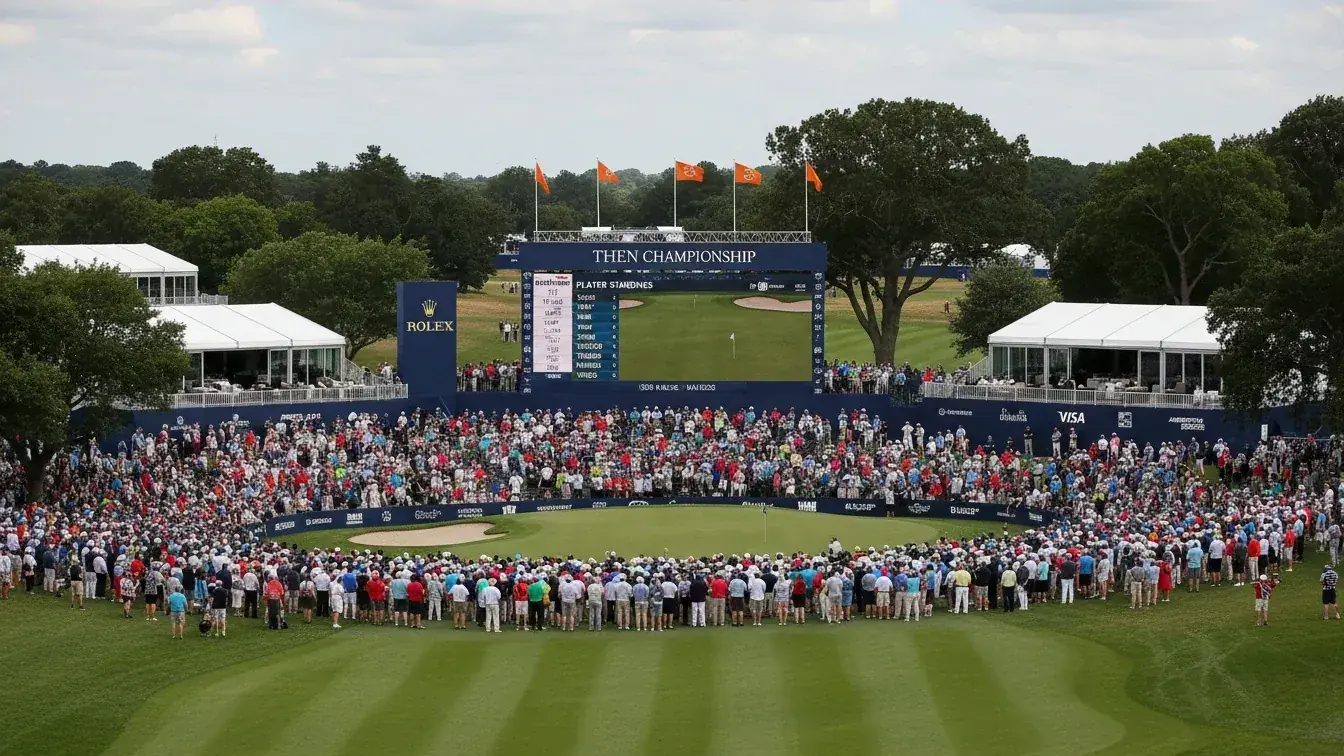
Different tournament formats affect which bet types make sense. Standard PGA Tour stroke play events offer the full menu of markets described above, but alternative formats create unique opportunities and restrictions worth understanding.
Match play events like the WGC-Dell Technologies Match Play eliminate most traditional markets. You cannot bet outright winner in the conventional sense when the tournament uses bracket-style elimination. Instead, markets focus on individual match winners, group stage outcomes, and quarter-by-quarter bracket progressions. The head-to-head nature of match play creates volatile outcomes where hot putting streaks or single bad holes decide matches regardless of overall skill differences. Bankroll management must account for this increased variance.
Team events like the Ryder Cup and Presidents Cup add another layer of complexity. You can bet on overall team outcomes, individual session results, and specific match winners. The team dynamic introduces motivational factors that barely exist in regular stroke play, including home crowd effects, captain strategy decisions, and player pairing chemistry. Some bettors specialize in these events because the unique factors create analytical edges that do not transfer to regular tournaments.
LIV Golf presents a newer betting landscape with 54-hole events, no cuts, and team components that award separate prizes. Markets remain thinner than PGA Tour events due to shorter history and less sophisticated pricing. The reduced field sizes and absence of cuts change placement probability calculations substantially, affecting top finish and make-cut markets in ways that PGA Tour intuitions might not capture correctly.
Signature events on the PGA Tour feature stronger fields and elevated prize pools but follow standard format. The increased field strength compresses odds at the top and reduces longshot probability since weak players are less represented. Adjusting expectations for field composition prevents applying wrong baselines to these premier events.
Building a Bet Type Portfolio
Successful golf betting rarely involves using just one market type. Building a portfolio across multiple bet types smooths variance while maintaining exposure to different edge sources your analysis might identify.
A balanced approach might allocate forty percent of weekly golf betting capital to outrights, targeting one to three players you believe are mispriced. Another thirty percent could go to top finish bets on players with strong placement probability. Twenty percent might target matchup opportunities where comparative analysis reveals clear edges. The remaining ten percent could explore props or first round leader plays when specific situations present value.
These percentages are illustrative rather than prescriptive. Your allocation should reflect where you find the most edge and what variance level you can tolerate. If your analysis excels at identifying course fit advantages in head-to-head scenarios, shifting more capital toward matchups makes sense. If you have developed strong models for predicting outright winners, emphasizing outrights despite higher variance captures more of your edge.
Tracking results by bet type reveals which markets deliver actual profit versus which feel comfortable but underperform. Many bettors discover they perform better in certain markets than others, information that should guide capital allocation going forward. The data might show strong outright performance but mediocre matchup results, or vice versa, indicating where to concentrate future effort.
The variety of golf betting markets means there is almost always somewhere to find edge if you look beyond the obvious outright board. Understanding how each market works, when different bet types make strategic sense, and how to allocate capital across multiple options transforms golf betting from a simple winner-picking exercise into a sophisticated pursuit where analytical edges compound into long-term profit.
