


The four major championships represent the pinnacle of professional golf, and for bettors, they represent something equally significant: the most heavily wagered events on the golf calendar with unique dynamics that reward specialized knowledge. Majors attract more casual betting money than any regular tour event, create predictable market inefficiencies, and feature course setups that diverge sharply from weekly tournament conditions. Understanding what makes each major distinct gives you edges that generic golf betting approaches cannot capture.
Majors differ from regular tournaments in ways that directly affect betting outcomes. The pressure is higher, the course setups are harder, the fields are smaller but stronger, and historical patterns matter more because three of the four majors return to the same venues repeatedly. Players who thrive under major championship pressure often differ from those who pile up wins in lower-stakes events, and the betting markets do not always price this distinction accurately.
This guide breaks down each of the four majors individually, explaining what makes them unique from a betting perspective and how to identify value in markets that attract both sharp and casual money. Whether you are betting futures months in advance or wagering during tournament week, understanding the specific characteristics of the Masters, US Open, PGA Championship, and Open Championship improves your results.
Before placing your wagers on the Masters, it is crucial to understand how to read golf betting odds to identify the most valuable lines.
Golf Majors Betting Strategies: Handicapping Championship Tournaments
Before examining each championship individually, it helps to understand what all majors share that separates them from regular tour events. These common characteristics should inform your betting approach regardless of which major you are handicapping.
Field composition differs meaningfully from typical tournaments. Major fields are smaller, usually around 150 to 160 players compared to the 120 to 140 in regular events, but far stronger at the top. Every elite player in the world shows up prepared and motivated. The depth of talent means that simply identifying good players fails as a betting strategy because nearly everyone in contention is a good player. Differentiation requires identifying which elite players fit the specific major’s demands.
Course setups push difficulty beyond regular tour standards. Major venues play longer and harder than they would for regular events, with narrower fairways, thicker rough, faster greens, and more demanding pin positions. Par becomes a legitimate score on many holes rather than a missed opportunity. This elevated difficulty changes which skills matter most and which player profiles translate to success.
Pressure affects performance in ways that regular tournaments rarely do. Major championships define careers and legacies, and players respond to this pressure differently. Some elevate their games in big moments while others tighten up and make uncharacteristic mistakes. Historical major championship performance often predicts future major results better than general tour performance because it captures this pressure-handling dimension.
Public betting volume increases dramatically for majors, creating opportunities for sharp bettors to find value against casual money. The Masters in particular draws bets from people who barely follow golf the rest of the year. This influx of uninformed money can push favorites too short and create value elsewhere in the field if you know where to look.
The Masters at Augusta National

The Masters stands alone among majors for several reasons, and understanding these unique characteristics is essential for betting the year’s first major championship effectively.
Augusta National hosts the Masters every year, making it the only major played on the same course annually. This consistency makes historical data extraordinarily valuable. You can analyze decades of results from the exact same venue rather than extrapolating from different courses each year. Player performance at Augusta correlates strongly with future Augusta performance, creating an edge for bettors who weight course history appropriately.
Course experience matters more at the Masters than anywhere else in golf. Augusta’s greens feature specific slopes, undulations, and speed characteristics that players learn through repeated exposure. First-time competitors rarely contend because they simply do not know the nuances that veterans have internalized over dozens of rounds. The data supports this overwhelmingly, with first timers almost never winning and experienced hands consistently outperforming their general form.
The course profile rewards specific skills. Approach play is paramount because Augusta’s greens reject anything but perfectly positioned iron shots. Distance matters to some extent because the course has lengthened over years, but accuracy into greens and putting on fast, undulating surfaces matter more. Players who excel in strokes gained approach and strokes gained putting on bentgrass tend to outperform their rankings at Augusta.
Betting angles at the Masters often involve identifying undervalued veterans with strong Augusta history and fading young players making early career appearances despite high world rankings. A thirty-fifth ranked player with ten Augusta starts and multiple top twenty finishes might offer better value than a tenth-ranked player making his second trip. The market tends to overweight current form and underweight venue-specific experience.
Traps to avoid include chasing bombers who lack short game precision, overweighting recent non-Augusta results, and assuming that any highly ranked player will contend simply because it is a major. Augusta rewards specific attributes that general excellence does not guarantee.
The PGA Championship
The PGA Championship rotates among premier courses but tends to play most similarly to regular tour events among the four majors. This characteristic makes it simultaneously more predictable and less differentiated in terms of betting strategy.
Venue rotation means historical course data refreshes more frequently than at the Masters. When the PGA returns to a course it played recently, you can use that data directly. When it visits a new or infrequently used venue, you must rely more heavily on course correlation analysis, matching the upcoming track to similar courses where relevant players have performed well.
Setup philosophy at PGA Championships generally avoids the extreme difficulty of US Open conditions. Fairways are reasonably wide, rough is penal but not unplayable, and scoring opportunities exist for players who execute well. This relatively balanced setup rewards complete games rather than specific skill specialists, making the PGA field less differentiated by course fit than other majors.
Field strength is arguably the deepest among majors because qualification criteria are slightly broader than the other championships. More top-hundred players tend to make PGA fields, diluting the extreme elite concentration you see at the Masters or US Open. This depth means longshot winners occur somewhat more frequently, though the favorite still converts more often than at other majors.
Recent winner profiles skew toward established stars rather than surprise champions. The PGA produces fewer shock results than the US Open or Open Championship, possibly because the balanced setup rewards overall quality without creating opportunities for specialists to overperform their rankings. If you are looking for longshot value, other majors typically offer better opportunities.
Betting the PGA effectively often means focusing on consensus contenders and looking for value within the top tier rather than hunting for overlooked longshots. When a dominant player enters in strong form with good course fit to the venue, the PGA is the major where backing him at modest odds makes most sense.
The US Open as the Ultimate Grind
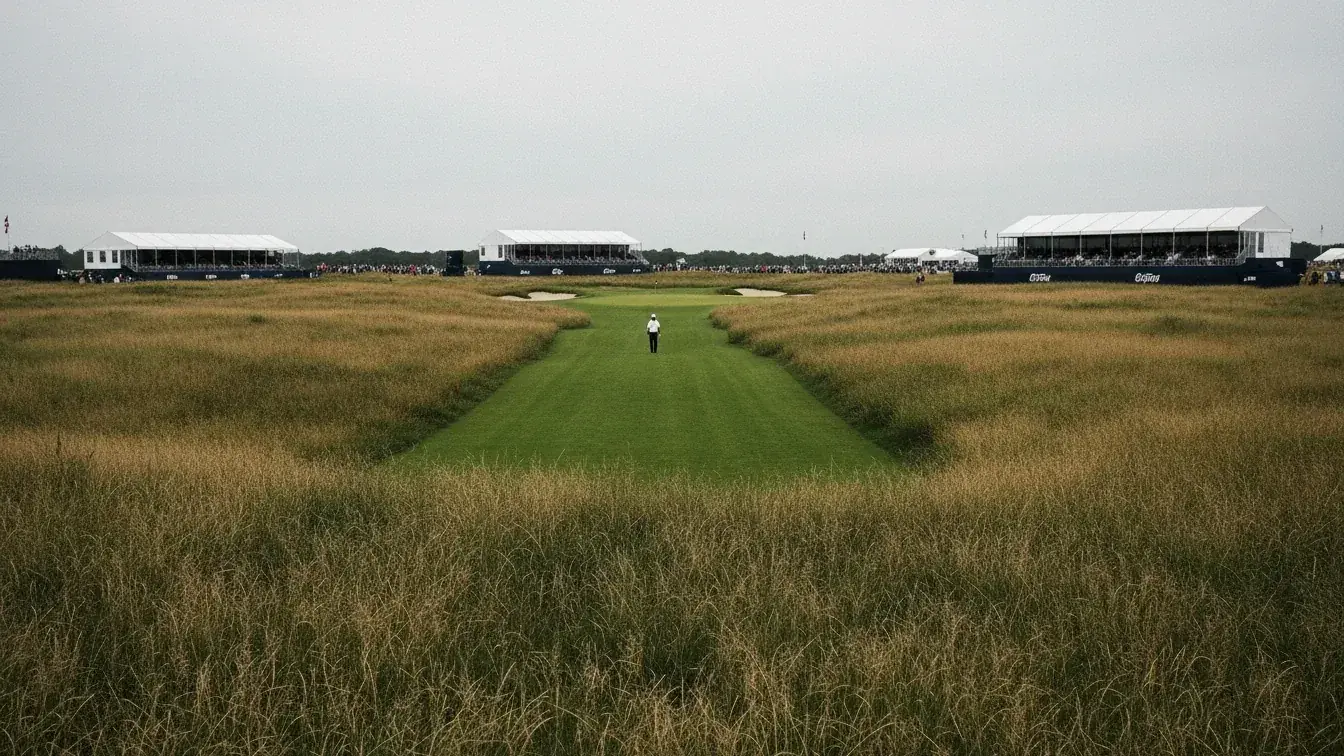
The US Open separates itself through course setup philosophy that intentionally pushes players to their limits. The USGA designs US Open venues to be the hardest test in professional golf, and this emphasis on difficulty creates distinctive betting dynamics.
Course setup emphasizes penal rough, narrow fairways, firm greens, and pin positions that punish anything less than precise approaches. Par becomes a good score on most holes, and avoiding big numbers matters as much as making birdies. The psychological demand of grinding through four days of this difficulty favors certain player profiles over others.
Mental fortitude becomes a measurable betting factor at US Opens. Players who stay patient, accept bogeys without compounding mistakes, and maintain focus through frustrating stretches outperform their rankings at this event. The market often fails to adequately price this mental dimension, creating value on players known for composure under duress even if their overall statistics are slightly below elite levels.
Physical stamina also matters because US Open courses typically play extremely long with significant walking terrain. Four days of walking hilly courses in potentially difficult weather conditions taxes players differently than most tour events. Younger, fitter players or those known for physical conditioning can hold advantages that the market underweights.
Grinding players who excel at scrambling and avoiding disaster statistically outperform their rankings at US Opens. The course setup creates situations where even good shots end up in difficult positions, making recovery ability essential. Players with strong strokes gained around the green and low double-bogey rates offer value because the setup increases the importance of these skills.
Weather chaos potential adds uncertainty that other majors rarely match. US Open venues often feature exposure to wind and temperature swings, and June dates put many venues in unpredictable weather windows. Tee time waves can experience dramatically different conditions, creating edges for bettors who monitor forecasts and wave assignments carefully.
For a complete overview of tournament strategies and expert predictions, visit our professional golf betting platform.
The Open Championship and Links Golf

The Open Championship takes professional golf to British and Irish links courses that play unlike anything else in the sport. This distinctiveness makes Open Championship betting both challenging and opportunity-rich for bettors who understand links golf.
Weather dominates discussion because conditions can transform links courses from manageable to brutal within hours. Wind particularly affects play because links courses offer little tree shelter and feature firm, fast surfaces that amplify wind impacts on ball flight and roll. Rain can soften conditions and reduce wind effects, while dry, windy stretches create scoring differentials of five or more strokes between waves.
Links golf specialists exist in ways that do not apply to other major venues. Certain players possess creativity, imagination, and low-flight shot making ability that translates to links success regardless of their performance elsewhere. International players from Britain, Ireland, and other countries with links traditions often hold advantages over Americans who rarely see these conditions.
Wave analysis becomes essential for Open Championship betting because conditions change so dramatically. The Thursday morning wave might play in calm, soft conditions while the Thursday afternoon wave battles thirty mile per hour winds. These scoring splits persist even after the Friday wave flip, creating massive advantages for players who drew favorable conditions. Sharp bettors always check weather forecasts and wave assignments before betting the Open.
Upset frequency runs higher at the Open than other majors because volatile conditions create opportunities for underdogs to navigate difficult stretches while favorites struggle with conditions they rarely face. This variance argues for spreading action across multiple contenders rather than concentrating on a single favorite. The player who best manages that week’s specific weather might come from anywhere in the top fifty rather than exclusively from the top five.
Scottish courses tend to be more exposed and weather-affected than English venues, which offer slightly more shelter. When the Open visits classic Scottish links like St Andrews, Carnoustie, or Royal Troon, weather betting edges become even more pronounced. English courses like Royal Liverpool or Royal St George’s still feature links conditions but with somewhat more predictability.
Major Championship Futures Strategy
Betting majors months in advance offers potential value because odds shift based on intervening results, and early prices sometimes reflect value that evaporates by tournament week. Understanding when and how to bet major futures improves your approach to these markets.
Early futures capture value when you identify players whose major profiles exceed their current form or ranking. A player ranked twenty-fifth in the world who fits Augusta National exceptionally well might offer plus-three-thousand in January futures but shorten to plus-one-thousand by April if his form improves in the interim. Locking in early captures that value before the market catches up.
The risk with early futures is capital lock-up and uncertainty. Injuries, form slumps, or personal issues can derail promising positions before the major arrives. Committing significant bankroll to April futures in January means accepting that some bets will lose value through no fault of your analysis. Sizing futures modestly accounts for this elevated uncertainty.
Week-of betting offers more information but worse odds in most cases. You know exactly who is playing, what the weather looks like, and how players have performed in recent weeks. This information is already priced into odds that have adjusted from early-season opening lines. Sometimes value still exists, but you must search harder than when odds first opened.
Hedging live during the tournament lets you manage risk on futures positions that reach contention. If your plus-two-thousand Masters future enters Sunday three shots back, live odds might let you guarantee profit regardless of outcome through careful hedging. This flexibility represents hidden value in futures bets that outright tournament week wagers do not offer.
Major-Specific Prop Bets
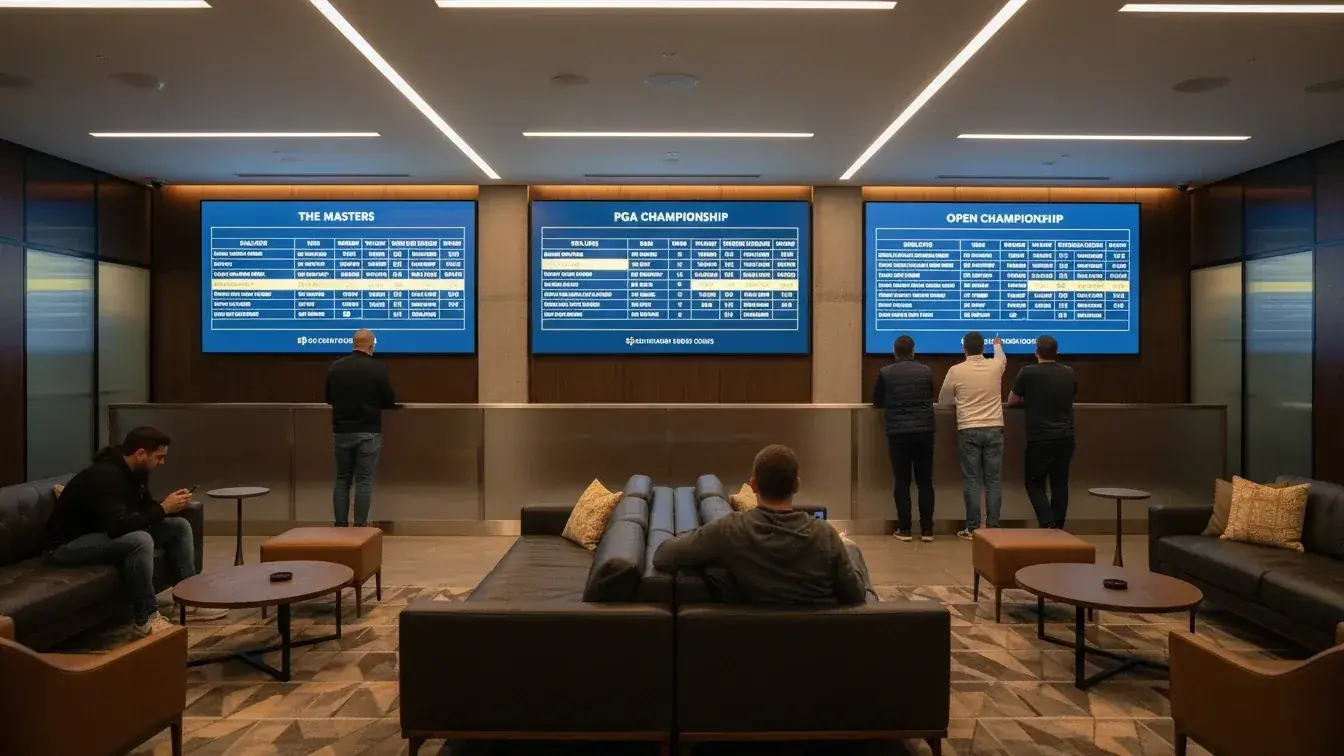
Beyond outright and top finish markets, majors offer prop betting opportunities that regular tournaments lack due to their elevated profile and betting volume.
Cut line betting takes on added significance at majors because missing the cut carries psychological and financial weight beyond regular events. The pressure can cause unexpected misses from players who usually make cuts comfortably, and course difficulty raises cut lines beyond normal expectations. Analyzing which players might struggle with major pressure or specific venue demands identifies potential miss-cut value.
Nationality markets determine which player from specific countries finishes highest. These markets create effective tournaments within tournaments, often with softer odds than main markets because pricing them precisely requires analyzing subsets of the field that sportsbooks devote less attention to. If a strong player faces weak compatriot competition, his top-nationality odds might exceed his top-field odds in value terms.
Scoring props ask questions about winning margin, tournament scoring, and specific hole performance. Some majors produce tightly bunched leaderboards while others allow separation. US Opens typically produce close finishes because the difficult conditions compress scores, while the Masters has produced both tight finishes and runaway victories. Historical patterns by venue inform how to approach these markets.
First round leader markets apply to majors with the same logic as regular events but with amplified wave effects at the Open Championship and elevated public betting at the Masters. The same principles of checking conditions and wave assignments apply, with potentially larger edges due to the casual money influx.
Timing Your Major Bets
When to bet matters as much as what to bet when it comes to majors. Different timing strategies suit different situations and risk tolerances.
Futures months ahead makes sense when you have high conviction on players whose odds will likely shorten. The Masters in particular sees dramatic line movement from January through April as the golf world focuses increasingly on Augusta. Getting ahead of this movement captures value that disappears by tournament week.
Early tournament week, typically Monday through Wednesday, offers intermediate timing where you know the field and have some weather information but have not seen how lines move in response to public money. Sharp action often comes early in the week, so this window can capture value before prices adjust.
Thursday morning locks in final positions before play begins, giving you maximum information about conditions and field but also maximum market efficiency as lines reflect all available knowledge. Value at this point comes from having superior analysis rather than superior timing.
Live betting during the tournament creates ongoing opportunities as the field narrows and outcomes become clearer. Players who open poorly but remain in mathematical contention offer potential value if the market overreacts to early struggles. Sunday live betting as contenders separate on the back nine provides final chances to find edge before outcomes settle.
The optimal approach often combines multiple timing strategies: modest futures positions on high-conviction picks, tournament week additions as information clarifies, and selective live betting when opportunities arise. This layered approach captures value across the timeline while managing the risks inherent in early commitment.
Common Mistakes in Major Betting

Even experienced golf bettors make recurring errors when handicapping major championships. Recognizing these patterns helps you avoid them.
Overweighting recent form at the expense of course fit leads to backing players who enter majors playing well but whose games do not suit the specific demands of that week’s venue. A player riding a hot streak of top tens might struggle at Augusta if his approach play and putting on fast greens lag behind his overall statistics. Majors punish skill mismatches more severely than regular events because the setups amplify course-specific demands.
Undervaluing experience, particularly at the Masters and Open Championship, causes bettors to overrate young stars making early major appearances. Course knowledge accumulated over years of play provides real advantages that raw talent cannot immediately replicate. The data strongly supports weighting experience, yet markets routinely underprice veterans with extensive venue history compared to highly ranked newcomers.
Ignoring weather and wave effects at the Open Championship throws away one of the clearest edges in golf betting. The scoring differential between favorable and unfavorable conditions can exceed five strokes over two rounds, yet many bettors place Open bets without checking forecasts or wave assignments. This oversight hands edge to sharper bettors who treat weather analysis as essential rather than optional.
Chasing public money on favorites shortens odds beyond fair value at every major, but especially the Masters where casual bettors pile onto recognizable names. When the betting public hammers a dominant player from plus-five-hundred to plus-three-fifty, they create value elsewhere in the field that sharper bettors can exploit. Fighting the urge to follow public money is harder at majors than regular events because the names involved are so compelling.
Failing to adjust for major-specific pressure underweights a factor that meaningfully affects outcomes. Players with poor historical major performance relative to their regular tour results may have something in their makeup that prevents them from executing under championship pressure. Conversely, players who consistently elevate their games at majors possess an attribute the market may not fully price. Historical major performance should inform your assessments even when recent regular tour form suggests different conclusions.
Building Your Major Championship Calendar
Smart bettors plan their major championship approach annually rather than scrambling each week. Establishing a calendar and research schedule ensures you are prepared when betting windows open.
Start researching each major at least two months before the event. Identify the venue, review its characteristics, and begin building a list of players whose profiles match the demands. For venues used previously, analyze historical results for patterns. For new or rarely used venues, develop course correlations to estimate how different player types will perform.
Monitor futures markets from the moment they open, typically right after the previous year’s edition ends. Track line movements to understand how prices evolve and identify players whose odds offer value relative to your assessments. Even if you do not bet early, watching markets educates you about how they function.
Finalize your betting plan during the week before each major. Decide which timing windows you will target, which bet types fit your analysis, and how much bankroll to allocate. Having a plan prevents impulsive decisions driven by last-minute information or emotional reactions to media narratives.
After each major, review your bets honestly. Did your analysis identify genuine edges or did results mislead you about your skill? Were there obvious factors you missed that better preparation would have caught? This post-major review improves your approach for the next championship and builds the accumulated knowledge that sharp major bettors possess.
Majors represent the best opportunities in golf betting for those willing to develop specialized knowledge. The combination of elevated public betting, distinctive course conditions, and exploitable edges around weather and experience creates value that informed bettors can capture. Treating each major as a unique event requiring tailored analysis rather than applying generic golf handicapping principles separates profitable major bettors from the casual money that floods these markets every spring and summer.
